


Application Cases
—
AVIATION
For general‑aviation helicopters and aerial operation platforms, satellite communication terminals are mounted onboard to transmit real‑time airborne video, flight status and positional data in high‑altitude environments where terrestrial public networks are unavailable. It establishes air‑ground communication links for aviation rescue and aerial inspection missions, ensures stable data exchange between aerial platforms and ground command centres, and improves aerial operation control and emergency response capabilities.

MILITARY
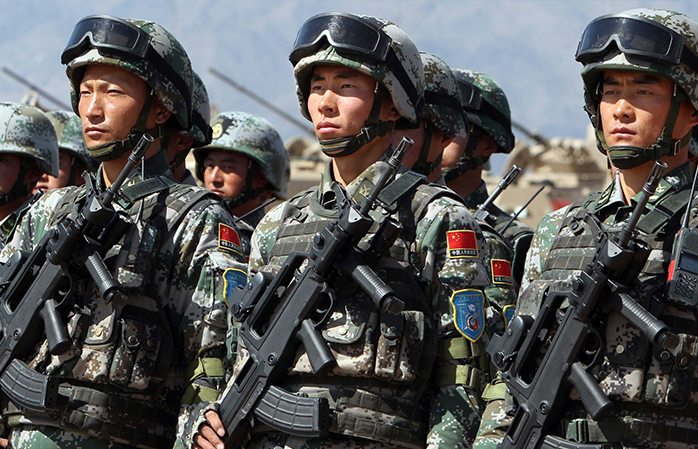
Suitable for field exercises, border garrisoning and tactical mobility missions. In complex regions without public network infrastructure, portable and vehicle‑mounted satellite terminals are deployed to rapidly set up communication nodes. It supports front‑line voice intercom, high‑definition video backhaul and intelligence data transmission, meets requirements for mobile deployment and accompanying support, and maintains uninterrupted command‑and‑control communication links even when ground infrastructure is damaged.
FORESTRY
Applied to forest fire prevention patrols and forest resource monitoring in remote mountainous forest areas. Most forest regions lack cellular coverage. Field operators carry portable satellite stations or install vehicle‑mounted satellite stations on patrol vehicles to send real‑time on‑site footage and monitoring data from forest areas. When forest fires break out, communication points can be quickly established around fire sites to support on‑site fire‑fighting command and dispatch, solving the problem of communication blind spots in deep mountain areas.

EMERGENCY RESPONSE
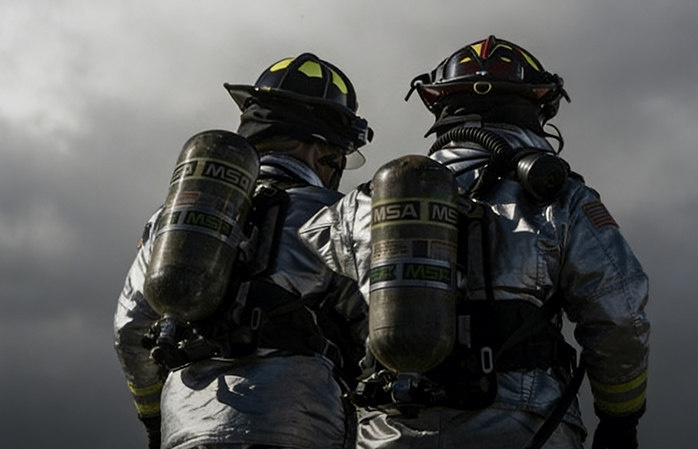
In disaster scenarios such as earthquakes, floods, typhoons and mudslides, when terrestrial base stations are damaged and public networks fail, satellite communication equipment can be rapidly deployed to disaster‑stricken sites. Temporary communication networks are promptly built to enable on‑site video backhaul, multi‑party video conferences and voice communications for rescue personnel, establishing a vital communication channel between disaster sites and rear‑area command centres.
OCEAN & OFFSHOREff
For ocean‑going vessels, marine scientific research and maritime law‑enforcement operations. Vessel‑mounted satellite communication terminals are fitted to ships to withstand sea‑wave sway and salt‑fog corrosion. Stable network access, video calls and monitoring‑data backhaul are available far from coastal base stations. Reliable communication support is provided for maritime emergencies to facilitate maritime search‑and‑rescue and offshore operation scheduling.


POWER INDUSTRY
Serves inspection and maintenance of remote transmission lines and outdoor substations in plateaus and mountainous areas. Inspectors carry satellite terminals into communication‑blind zones to transmit line‑inspection photos and equipment‑test data in a timely manner. In the event of ice disasters or wildfires causing power‑grid damage and terrestrial‑communication outages, satellite communication sites can be quickly activated to support on‑site power‑repair command, dispatch and data transmission.
CIVIL AIR DEFENCE
For civil‑air‑defence works, underground civil‑air‑defence facilities and mobile civil‑air‑defence command support. Portable and vehicle‑mounted satellite communication equipment is utilised. When urban public networks are disrupted, external communication channels can be rapidly established to collect on‑site audio‑video data and issue emergency instructions, ensuring uninterrupted external connectivity for civil‑air‑defence command systems under emergencies.

WATER CONSERVANCY
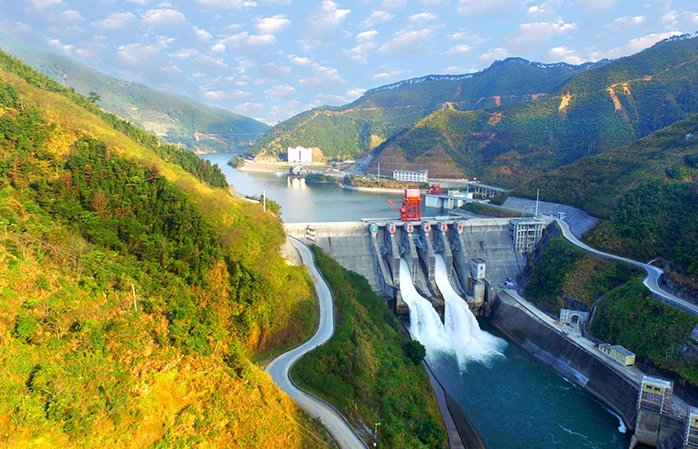
Covers reservoir dams, river basins and mountain hydrological monitoring stations. Targeting poor public‑network coverage at remote hydrological sites, satellite communication is adopted for real‑time reporting of hydrological monitoring data. Following flood‑related disasters, satellite terminals are deployed in flood‑submerged areas with disrupted public networks to transmit real‑time flood‑situation footage, supporting flood‑control scheduling and disaster‑situation assessment.
PETROLEUM INDUSTRY
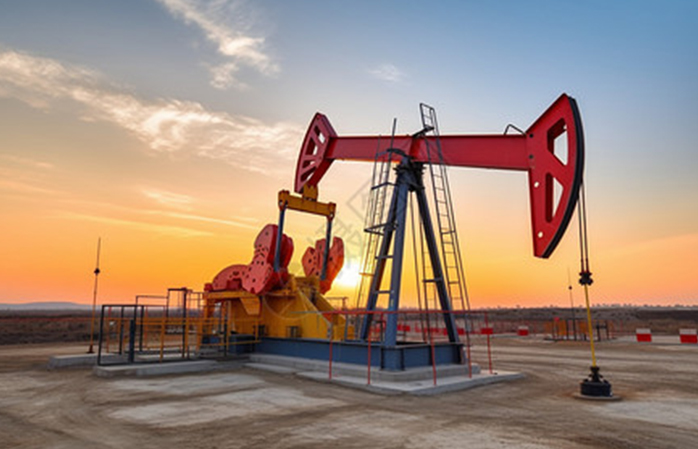
Applicable to oil‑and‑gas extraction sites in gobi deserts and wilderness areas. Most oil‑and‑gas operation sites are located in uninhabited regions without operator‑provided networks. Satellite communication terminals are deployed to deliver network services for drilling sites and field work teams, enabling on‑site surveillance backhaul, production‑data reporting and personnel communications, supporting production scheduling and emergency communications for field oil‑and‑gas projects.
PUBLIC SECURITY
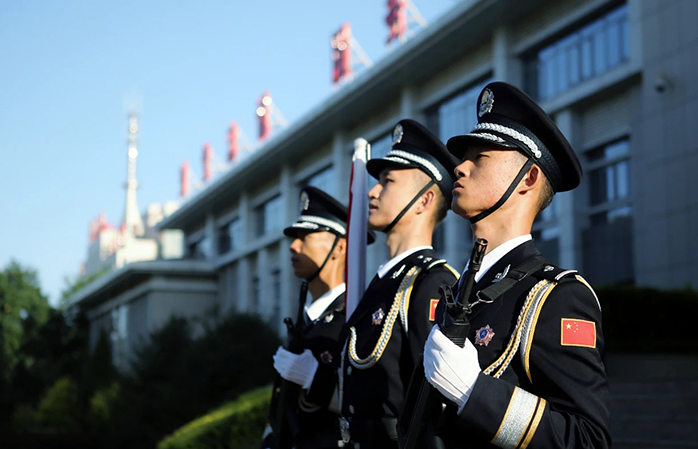
Used for field security patrols, major security‑protection tasks and emergency‑incident disposal. In mountainous and suburban areas with weak public‑network coverage, portable and vehicle‑mounted satellite stations establish communication links to transmit real‑time law‑enforcement footage and personnel positional information. It enables real‑time linkage between front‑line duty posts and public‑security command centres, supporting on‑site command and dispatch for emergency incidents.

